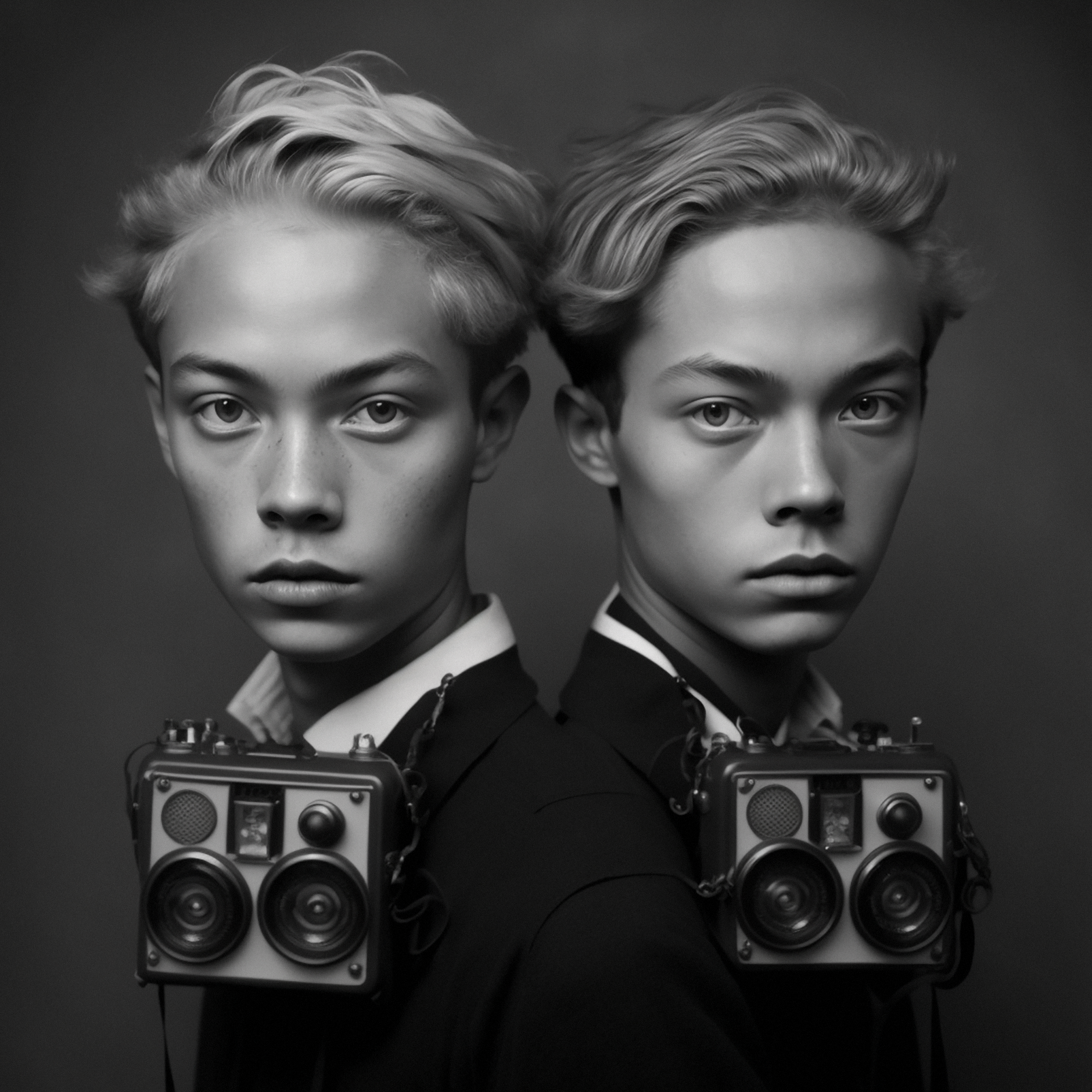
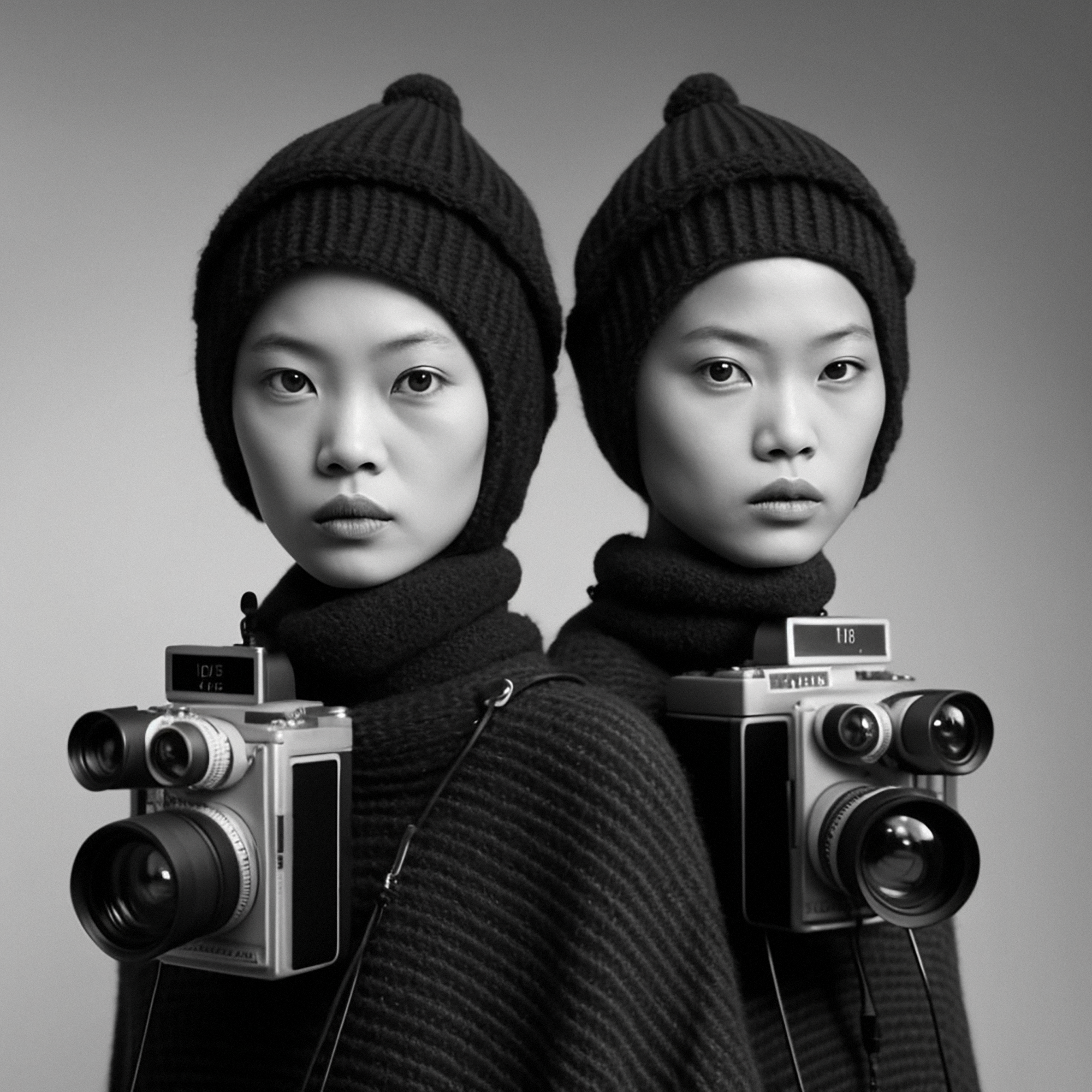
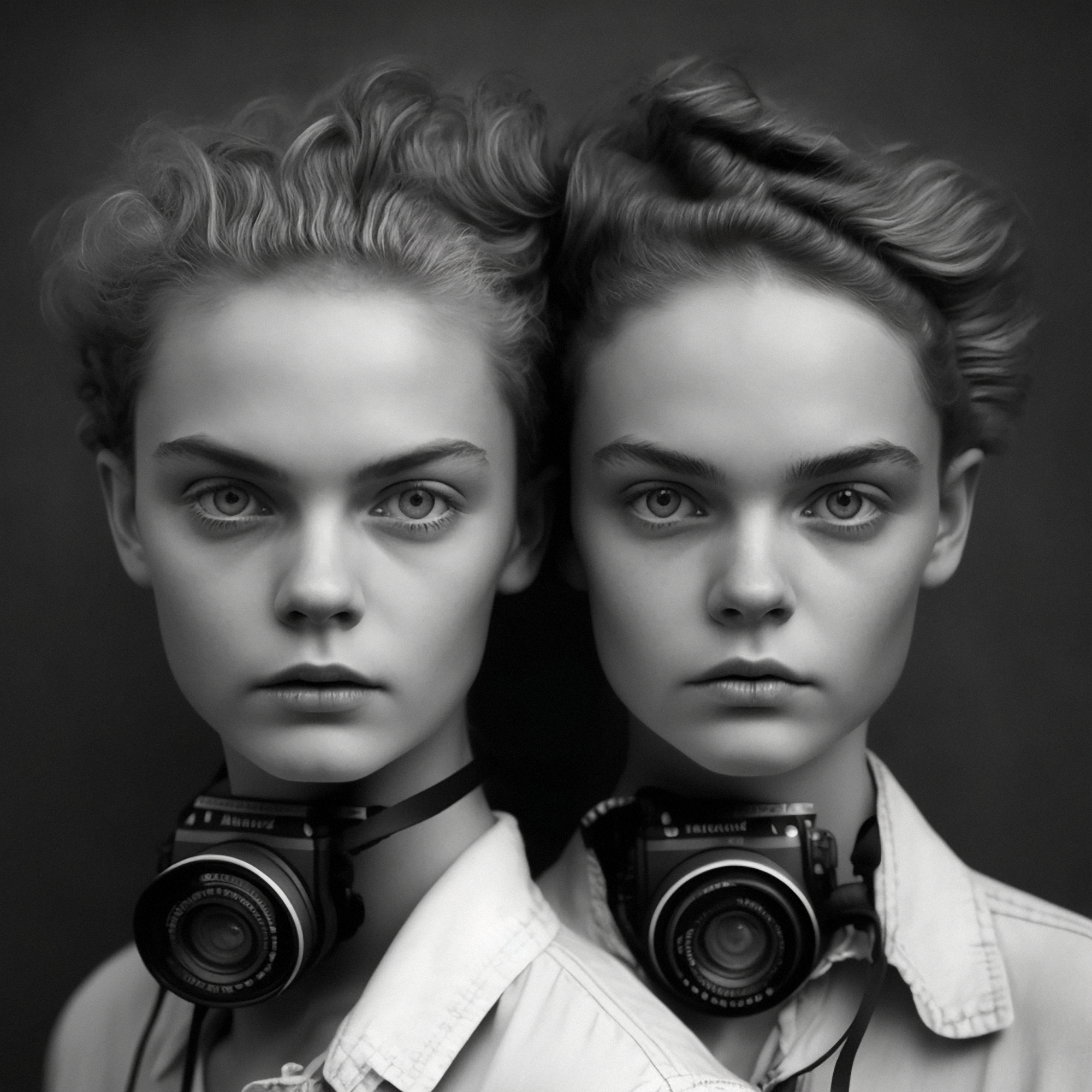
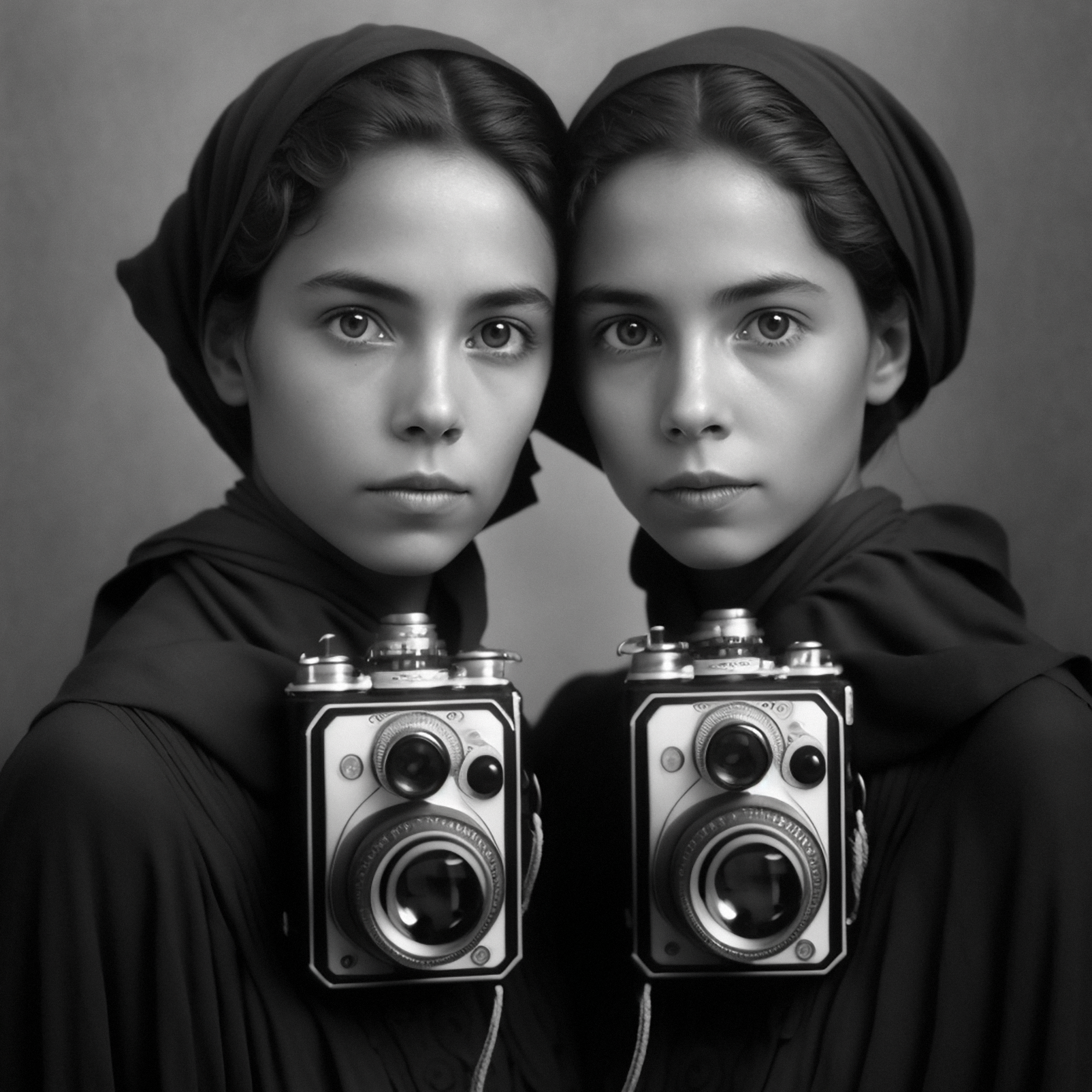
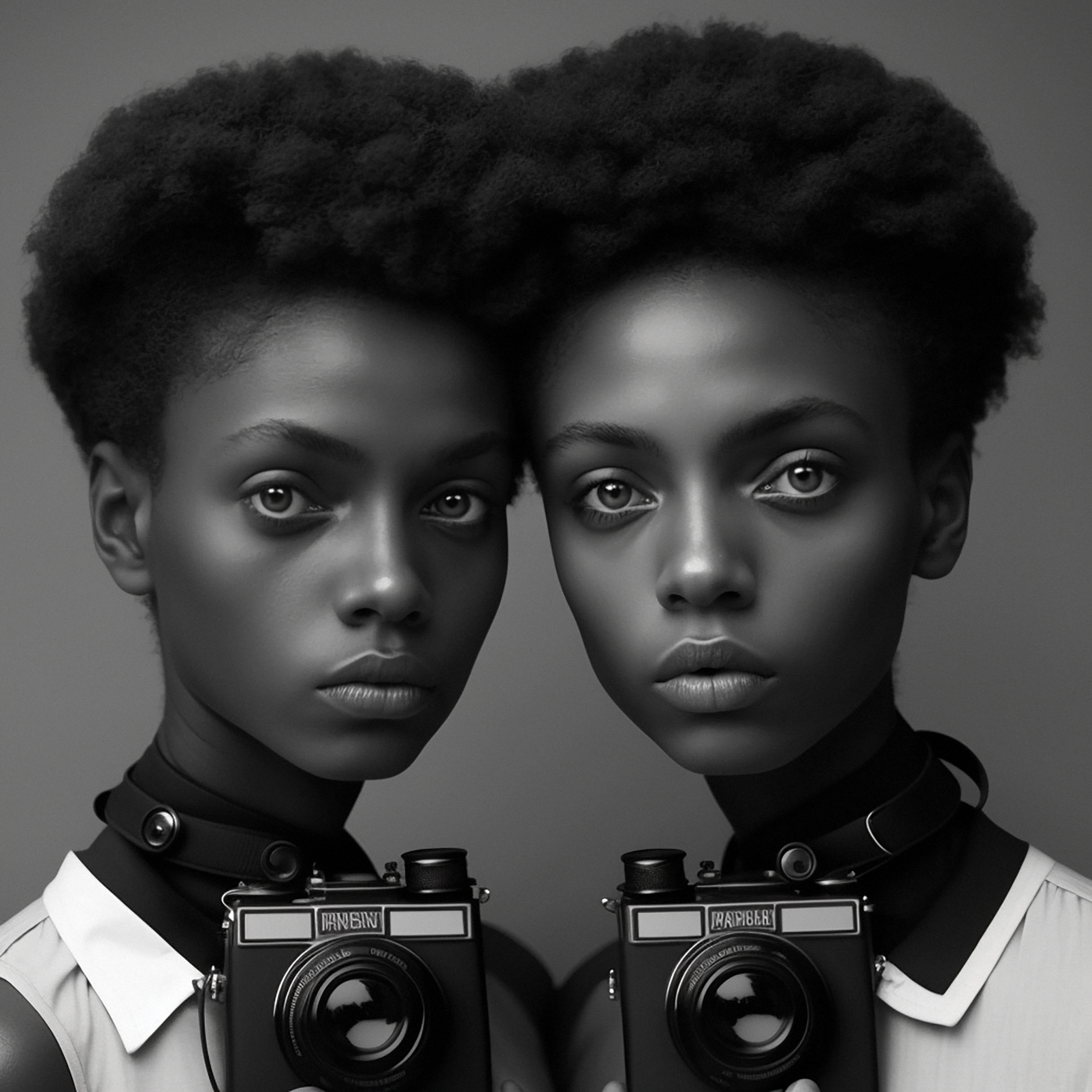
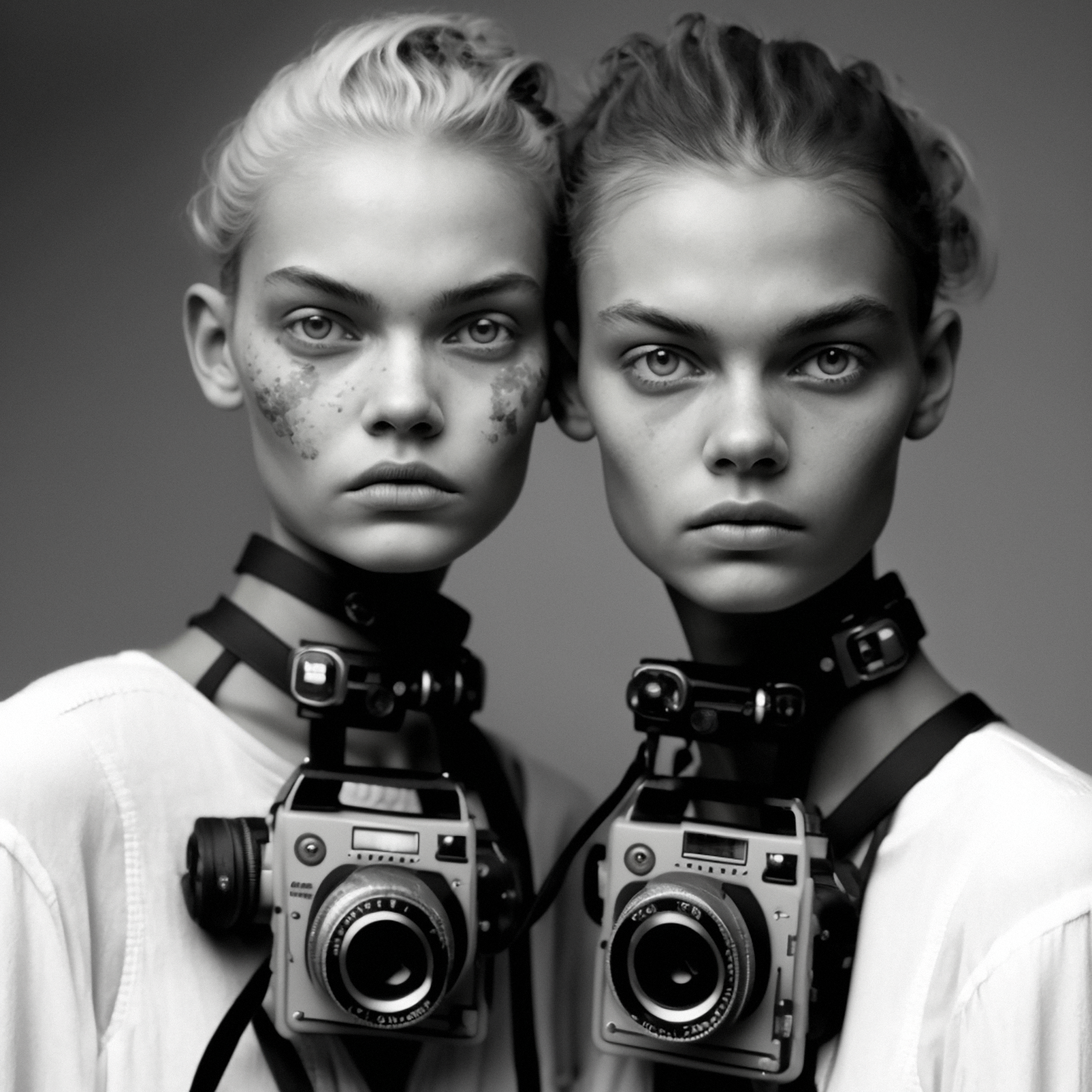
Traces of Truth
The first chapter in an ongoing investigation into truth, memory, and machine-made images.
Traces of Truth emerged at a moment when the ground beneath photography—and beneath public discourse—was shifting. What once passed unquestioned as evidence now moves uneasily between fact and fiction, between documentation and invention. Truth itself has become an ideological construct, destabilized by the same technologies that claim to reveal it. As algorithms sort us into parallel realities, narrative becomes armor; belief becomes identity; and the image becomes a contested site where meaning fractures and reforms.
Photography has never been innocent, but AI has accelerated its drift. The camera is no longer the central instrument of representation; the image has been severed from the medium that once anchored it to the world. In this landscape, photographs behave more like hallucinations—fragments of cultural memory recomposed by systems that do not share our sense of history, ethics, or consequence.
Traces of Truth marks the beginning of my investigation into this condition. It is a study of the image at a threshold moment, when visual certainty dissolves and what remains is not evidence but residue: the faint imprint of a world struggling to recognize itself in the pictures it produces. These works reflect an early understanding that AI would not simply change how images are made—it would change what images are allowed to mean.
The series opened the path to everything that followed: investigations into evidence, authorship, extraction, and the cultural architectures that shape belief. It is a record of the moment when the image escaped its frame, and truth—no longer a guarantee—became something we must learn to navigate again.
Critical responses to Traces of Truth recognized the series as an early articulation of the photographic crisis ushered in by machine learning. Writer Gregory Eddi Jones described the work as a reconciliation between “photography’s once-stable relationship to the world and the new instability introduced by AI.” The project has since become a conceptual touchstone in my practice, shaping subsequent investigations into evidence, language, and the politics of synthetic images.